The phone slipped from my hands.
Clack.
The sharp sound of plastic hitting the old tile floor echoed through the quiet apartment like a gunshot without a bullet.
No… no… no…
What had I just done?
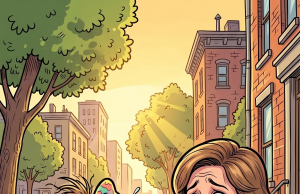
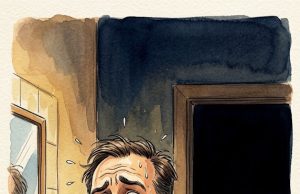
Fear rose up my throat, cold and sour, the kind that makes it hard to breathe, let alone swallow. At twelve years old, my eyes felt far too serious as I stared at the cracked screen of the old phone we shared.
The word “Sending…” blinked.
Then it changed.
“Delivered.”
Two checkmarks.
Mateo, my six-month-old baby brother, shifted in my arms—and then began to cry. Not a soft whimper. A desperate, hungry cry that nothing could calm.
It was real hunger.
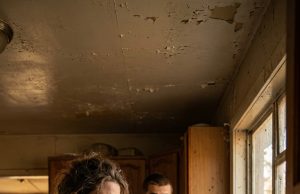
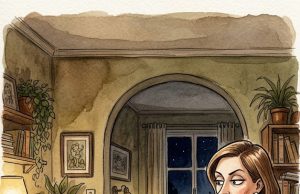
I looked around our tiny kitchen in Iztapalapa. The stove barely worked. The table wobbled. The walls were damp. On the table sat the last can of powdered milk.
Empty.
Mom cleaned offices in Santa Fe, and her pay only lasted until the fifth of each month.
There were five days left.
Five days can feel like forever when a baby is crying from hunger.
I looked again at the contact I had just messaged.
“Aunt Raul.”
My heart stopped.
It wasn’t a six.
It was a nine.
I had sent the message to a stranger.
Mateo’s cries grew louder. I tried to delete the message—but it was too late. The checkmarks turned blue.
Someone had read it.
The phone vibrated.
“Are you okay? Is this an emergency?”
Relief and fear hit me at the same time.
With trembling fingers, I typed:
“Sorry. I dialed the wrong number. My baby brother needs milk. My mom can pay you on the fifth.”
Mateo sucked on his tiny hand, exhausted from crying.
The phone buzzed again.
“Where are you, Sofia?”
Mom always told me never to tell strangers our address.
But Mateo couldn’t wait.
I sent it.
And prayed I wasn’t making another mistake.
Across the city, in a large house in Las Lomas de Chapultepec, Alejandro Montoya stared at his phone.
His house was elegant. Spacious. Beautiful.
And painfully quiet.
His wife, Lucía, had died of cancer three years earlier. Since then, he had buried himself in work and silence.
A message from a little girl asking for milk stirred something inside him—something he had buried along with his grief.
He remembered Lucía’s last words:
“Don’t turn into stone, Alejandro. Money means nothing if you forget how to feel.”
He had forgotten.
Until that night.
He grabbed his keys. On the way, he bought milk, diapers, rice, beans, oil. Then he drove to Iztapalapa.
I waited downstairs with Mateo asleep on my shoulder when a black SUV pulled up.
A tall, well-dressed man stepped out. He didn’t look like anyone who belonged in our neighborhood.
We climbed the stairs—the elevator had been broken for months.
Mom arrived just as we entered. Still in her cleaning uniform. Exhausted. Swollen feet.
She froze when she saw him.
“Who are you?” she demanded.
I stumbled through the explanation.
She grew angry.
“We don’t accept charity. Please leave.”
Alejandro didn’t argue. He set the groceries down and placed an envelope on the table.
“It’s not charity,” he said quietly. “It’s help.”
Mom tore up the card he left behind.
“We don’t owe anyone.”
Three days later, Mom fainted at work. She was taken to the General Hospital.
Shaking, I searched for Alejandro’s number.
He came immediately.
The doctor didn’t sugarcoat it.
“If she keeps this pace, her heart won’t handle it.”
Alejandro offered her a job at his company. Stable hours. Good salary. Health insurance.
Mom refused at first.
“I don’t want to owe you anything.”
“It’s not charity,” he replied. “It’s work. Three-month trial.”
She accepted.
She proved herself quickly—organized processes, cut waste, improved efficiency. She didn’t need pity. She needed opportunity.
Alejandro looked at her differently now—not with sympathy, but respect.
Love came slowly. Quietly.
People whispered. Judged.
Alejandro ignored them.
At a formal gala, Mom stood proudly, defending her dignity. She rejected gossip, appearances, and prejudice.
Two years later, they married in a simple garden ceremony.
Mateo carried the rings.
Alejandro adopted me as his daughter.
Today, we live peacefully. Not extravagantly. But with stability, work, and respect.
All because of one wrong message.
A mistake that turned out to be exactly the message we needed to change our lives forever.